Savory spine
Choose a firm cheese, a briny olive or pickle, and a sliced cured item if you eat meat. Space elements so guests can assemble bites without leaning over one another.
Nourish
This corridor of the site is for cooks who want language that sounds like a thoughtful friend—not a lecture. We talk about crunch, steam, and colour because those cues help you swap confidently when the market runs out of your first choice.
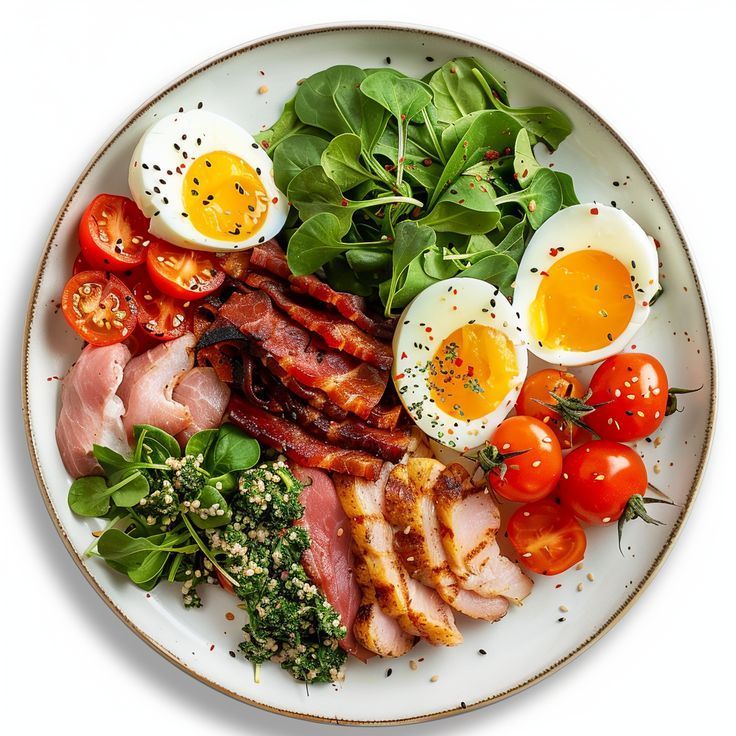
Borrow this grid when you want novelty without a full menu overhaul. Change one row at a time so shopping stays predictable.
Choose a firm cheese, a briny olive or pickle, and a sliced cured item if you eat meat. Space elements so guests can assemble bites without leaning over one another.
Raw vegetables in thin ribbons dip faster and stay crisp longer than thick sticks. Pair with yogurt, tahini, or a bean dip you made on Sunday.
Cook fish or tofu simply, finish with acid, and document your own doneness preferences in a notebook. We do not compare your choices to anyone else’s plate.
Warm bread beside cool vegetables gives rhythm. Reheat bread just before serving so the crust returns.
Sizzle, crackle, and silence all teach timing. We mention them so you can cook with ears open, not to suggest clinical monitoring.
Springy dough, yielding custard, crisp skin—touch anchors memory better than a photograph.
Contrast and negative space on the plate help appetite without relying on saturated filters.
We celebrate variety, whole foods, and joyful repetition. We avoid fear-based framing, before-and-after imagery, and promises tied to identity. We never position food as a substitute for care from doctors, dietitians, or therapists.
If a recipe includes an ingredient you cannot eat, skip it or substitute using guidance from someone who knows your history. Our substitutions are culinary, not therapeutic.
When laws or community standards shift—whether in New Zealand, the Netherlands, or broader EU guidance—we revise this stance and update linked legal pages so the site stays trustworthy.
We sometimes anonymise shopping lists for editorial round-ups. Tell us in the form if we may quote you without a name, and we will honour that boundary.
Contact the studioResponses follow New Zealand business hours. Data handling appears in the privacy policy, including retention and international transfer safeguards.